Páginas

viernes, 26 de agosto de 2016

2016 PROJECTS, ERASMUS PLUS, etc

PROJECTS - illetarate 
Voicesinpictures.eu/vippicturesdatabank.html From the very beginning the “Voices in Pictures” project was designed to include a strong multicultural dimension that would be seen in pictures taken by partner organisations and used in language and cross-cultural tasks/ activities. One of our aims was to raise learners´ awareness of their European common identity and at the same time show them the advantages of having specific identities and traits. We believe that by doing so we have laid the foundation for an improved intercultural tolerance and a more effective understanding of stereotypes.


KALUNBA in Hungarian - migrants   

Unicef.org.uk. Documents Education. Documents refugee resource in search of safety complete teaching pack.pdf


SEPIE EN ESPAÑA
 COMISIÓN EUROPEA (encargado del día a día, supervisar las leyes y tratados) , CONSEJO DE LA UNIÓN EUROPEA (ministros de los gobiernos) Y CONSEJO EUROPEO (jefes de estado)

Programas.

Educación Formal
El Sepie (Servicio Internacional para la Participación en Educación) en transversalidad:
Explora y actúa por los Derechos Humanos  charter-for-all
 Educación para la ciudadanía democrática y los Derechos Humanos
Explora y actúa por los Derechos Humanos
Formación de los profesionales de la educación (Pestalozzi) Andrés Ajo Lázaro Director de la Unidad de Educación Escolar y de Personas Adultas, Programa Pestalozzi y promoción de Lenguas Servicio Español para la Internacionalización de la Educación, SEPIE
 Política Lingüística
Enseñanza de la Historia
 Conferencia Permanente de los Ministro de Educación

Educación no formal.   
Youth in Action Programme areas: personal development, employability and active Citizens. 
Examples:
1. informal meeting in cafes, on the streets
2. long-term membership of a youth organisation
3. youth wings of political parties
4. one-off environmental projects
5. sports clubs
6. attending a youth club
7. activism concerning a particular „hot“ topic
8. after-school clubs
9. youth exchanges here
For more details about recognition of non-formal learning and European developments, have a look at the two following chapters: A3: “Hitchhiker’s guide to recognition in the youth field A4: “You hold the keys to Lifelong Learning”

YOUTH IN ACTION PROGRAMMES. Volunteering: Agencia Nacional Española del Programa del Programa Juventud en Acción here
Servicio Voluntario Internacional (SVE) formacion sve

PASOS:
0. PROYECTO Movilidad por motivos de aprendizaje. Accion clave 1: Servicio Voluntario Europeo. Te ayudamos con tu proyecto en tres pasos. 
La información que encontrarás a continuación te será de gran utilidad para aclarar tus dudas iniciales, pero no olvides consultar la GUÍA DEL PROGRAMA 2016 para obtener toda la información necesaria.

1. ACREDITACIÓN de la organización y APUNTARSE OTLAS es una herramienta online para organizaciones en el ámbito de la juventud. En ella pueden registrar sus datos de contacto y ámbitos de interés, así como sus peticiones de socios/interlocutores para ideas de proyectos. 

Organizaciones participantes: (presentan y gestionan los proyectos en representación de los participantes). Las organizaciones deben disponer de una acreditación. La acreditación sirve para obtener acceso al SVE y asegurar que los principios mínimos de calidad del SVE se cumplen. Esos principios están recogidos y publicados en una guía publicada en la página Web de la comisión europea.
Para acreditarse, la organización debe enviar un formulario de acreditación a los organismos responsables, indicando si se acredita como organización de envío, acogida y/o coordinadora.
La solicitud se puede enviar en cualquier momento, no existe fecha límite, no obstante, recomendamos realizarlo como mínimo 6 semanas antes de la fecha de actividad del proyecto, para que no se rechace el proyecto por falta de acreditación.
La acreditación de las organizaciones de SVE se realiza a través de: Agencia Nacional y el INJUVE 

2. SOCIOS. Buscar en la base de datos Youth volunteering. Evs organisation. Accreditation typeThis lists the organisations accredited to run projects under European Voluntary Service - part of the European Union's Erasmus+ programme.
We recommend that you first use the database of volunteering projects to find projects that you might be interested in. However, if you cannot find suitable projects and want to contact an accredited EVS organisation, use the filter options on the left of the screen to find organisations that might have volunteering projects that you are interested in. Then click on the organisation to see more information about them.
You can contact individual organisations to say you're interested in volunteering with them - but please bear in mind that some of those listed may not currently have a project looking for new volunteers. Some organisations' contact details may not be displayed, if they don't have any EVS projects at the moment. To find out more, go to European Voluntary Service
En español acciones voluntariado europeo Existe una base de datos en la que se puede encontrar todas las organizaciones acreditadas, ya sean coordinadoras, de envío o acogida: http://europa.eu/youth/evs_database
Para facilitar a los socios la búsqueda de proyectos y asociaciones acreditadas, existe una base de datos de las organizaciones que participan en SVE, que se puede consultar en  el Portal Europeo de la Juventud
3. Registro here youthpass.eu y Certificados Todos los participantes en proyectos aprobados por los programas Erasmus+: Juventud en Acción y Juventud en Acción tienen derecho a obtener el reconocimiento de su participación y aprendizaje en los proyectos. El certificado Youthpass es un instrumento desarrollado para esta finalidad. youthpass.eu/es
 

                                           ERASMUS PLUS RESOURCES The Erasmus+ Programme Guide (version 2 of 07/01/2016, incorporating the corrigendum of 15/12) is an integral part of the 2016 Erasmus+ Call for Proposals and itscorrigendum, published on 22/10/2015.
YOUTHPASS INCLUSION
What is that? SALTO-YOUTH stands for
Support and
Advanced
Learning and
Training
Opportunities
within the Erasmus+ Youth in Action programme
The 8 SALTO Resource Centres are each based in a different E+ YiA National Agency


The Erasmus+ Programme Guide in your language, you can find it Here:http://ec.europa.eu/programmes/erasmus-plus/resources… - but remember, for youth projects, you mainly need pages 75 to 88.
Also check with your National Agency, they often have 'easier to understand' guides/manuals (in your language) that show how to make a project step-by-step.

All the SALTO Inclusion booklets are available at www.salto-youth.net/InclusionForAll/ - download them in pdf (less heavy to carry than the paper version) A series of practical manuals to support (international) Inclusion Projects for socially excluded young people, based on the SALTO Inclusion training courses to make the methods & resources available to ALL.
List of manuals: 


How to find a parnet: 
OTLAS partner finding database www.SALTO-YOUTH.net/otlas/
Database of accredited EVS organisations https://europa.eu/youth/volunteering/evs-organisation_en
PS Don’t date a complete stranger!  Get to know them at a Partner Building Seminar or Training Course www.SALTO-YOUTH.net/training/
Umbrella organisations  
  
Inspiration for projects:

 SALTO inspirational youth project database www.SALTO-YOUTH.net/GoodPractices/
European project results (all sectors) http://ec.europa.eu/programmes/erasmus-plus/projects/
Toolbox for training and youth work www.SALTO-YOUTH.net/Toolbox/
SALTO youth work manuals www.SALTO-YOUTH.net/InclusionForAll /hopscotchevs/ (Intro to EVS)
/cherry-on-the-cake/ (youth exchanges)

Contact you NA.
Each NA has an Inclusion Officer https://ec.europa.eu/programmes/erasmus-plus/contact_en + national offer
There is a European Inclusion Strategy www.SALTO-YOUTH.net/InclusionStrategy
Programme guide in your language https://ec.europa.eu/programmes/erasmus-plus/resources_en + national publications

Assessor guide: this is what assessors will be looking for www.erasmusplus.org.uk/news/2016-assessor%E2%80%99s-guide-published
Recognition for young people. 
Youthpass: every young person has the right to a Youthpass – but it is more than a certificate, it is about awareness of learning www.youthpass.eu
How to get started: Youthpass Unfolded www.youthpass.eu/en/youthpass/downloads/handbooks/

Making Waves – more visibility and impact www.SALTO-YOUTH.net/MakingWaves

It is more than Erasmus Youth
Erasmus+ also funds vocational training, adult education, school exchange, etc. ttps://ec.europa.eu/programmes/erasmus-plus/contact_en
Other funding, scholarships, internships https://eurodesk.eu/programmes/grants

International umbrella youth organisations www.youthforum.org/about/member-organisations/

YOUHTPASS Youthpass about process A way to recognize the no formal learning process

Database: TIMETOMOVE BY Eurodesk. EU is Eurodesk + lastminute offers by Eurodesk +  European Youth Portal 
Studying volunteering + internships + travelling


Cursos
EUROPASS. SEP. 2016 EN SANTANDER


EUROPASS Data EN.pdf
There are two documents that can be filled in by European citizens, namely
 1. the Europass CV and 
2. the Europass language passport. 
There are three other documents that are standardised and based on learning outcomes. They are issued by educational institutions, namely 
1. the diploma supplement issued by higher education institutions, 
2. the certificate supplement that accompanies VET qualifications and 
3. the Mobility Document that can be completed by relevant home and host organisations. 

The Europass initiative is governed by DG EMPL of the European Commission, Cedefop, which is responsible for the website and provides expertise for development and implementation, and finally the EACEA which coordinates and manages the operating subsidies and monitors the National Europass Centres. p. 10

(...) The Europass tool is currently mainly used by young people with high levels of education, the “low-hanging fruit”. However, more disadvantaged groups with lower levels of educational attainment, older people, those long-term unemployed and recently arrived migrants often do not know the Europass and consequently cannot benefit from the tool to record their skills. In order to improve this situation, Europass should be promoted at national and local level through public employment services, career guidance centres and similar structures. There is a need to convince those actors to use Europass. At European level, a one-stop-shop that integrates a wider set of European tools and services in the area of skills and qualifications (e.g. a tool for self-assessment of entrepreneurship) may also help to further promote and facilitate the use of Europass, similarly to an increased collaboration between the different contact points for those initiatives at national level. p 11

RESOURCES

Programmes Erasmus plus. Resources

Programmes Erasmus plus/projects

PLANNING

INTRODUCTION

Leaders, policymakers and politicians in the research and innovation field are currently intensely discussing how to further improve the sharing and re-use of research results. The issue as such is not new; similar discussions have been critical to the evolution of modern research since the Renaissance. However, the rapid development of information and communication technology (ICT) has now made it possible for research results to be shared in fundamentally new ways and to an extent which is already having a profound effect on research.

The Impact of Improved Sharing and Re-Use of Research Results

The ORGANIZATION also requires that applications include a data management plan, describing how the research data in the project will be used and re-used, how the rights of ownership to and usage of the data used and generated by the project will be distributed, and how the data produced will be stored and subsequently made available within and outside the project both during the project and after the project has ended. Finally, the Academy recommends that research projects also make their research data available through major national or international archives or storage services that are of relevance within their own fields.

AIMS
Exchange of information and experience: 
The ORGANIZATION IS a small actor in an international perspective, and the amount of resources that can be allocated to efforts on Open Access to research results and Open Science is limited. An extended exchange of information and experiences can improve the efficiency of some efforts. Such efforts might be pursued at several levels, including policymakers, research funders, research organisations and providers of data infrastructure. Such exchange could potentially result in more harmonised policies and guidelines.
Facilitating progress on specific issues:  cooperative efforts might prove to be more efficient, allow for more rapid progress and improved international impact.
Implementing pilots: from the planning and evaluation of calls for proposals, through evaluation of proposals and contracts, to reporting and final evaluations.

FULLTEXT here

jueves, 18 de agosto de 2016

curri

Sustainable UNESCO

http://www.uis.unesco.org/Education/Pages/uis-sustainable-development-data-digest.aspx

injuve. 2013/04 publicaciones Compass.
La comprensión de la educación de los DDHH

human rights and education

Human rights education – learning about, through and for human rights – is therefore essential in preventing human rights violations and in making democracy a sustainable way of life. This is especially relevant to children and young people. Human rights education is in itself a right, enshrined in Article 26 of the Universal Declaration of Human Rights. The Charter on Education for Democratic Citizenship and Human Rights Education adopted by the Committee of Ministers in 2010 calls upon the member states to provide every person within their territory with the opportunity of education for democratic citizenship and human rights education, by all means of education, including non-formal education. It also recognises the irreplaceable role of non-governmental organisations and youth organisations in this process.


ALL THE THEMES IN COUNCIL OF EUROPE


domingo, 14 de agosto de 2016

Escandinavian countries


Un tanto parecido ha ocurrido con el General Agreement on Tariffs and Trade (GATT), y ocurrirá con el tratado entre EEUU y la Unión Europea. No es por casualidad que los establishments financieros y económicos de los Estados-nación a los dos lados del Atlántico Norte sean favorables a tales tratados y sean precisamente las clases populares las que se oponen a la globalización económica y financiera. La globalización económica es un fenómeno predominantemente político, y responde a fuerzas políticas que se ejercen a través de los Estados y, a través de ellos, en las entidades supranacionales. Los países escandinavos, debido a su pequeño tamaño, son los países más “globalizados” (es decir, integrados en la economía internacional) de Europa y, sin embargo, están entre los países que tienen salarios mayores y los Estados del Bienestar más avanzados, y ello se debe a causas políticas, no económicas: el gran poder de las izquierdas en tales  países, habiendo estado gobernados por coaliciones de partidos progresistas durante la mayoría del periodo post Segunda Guerra Mundial. Este es el punto clave del que los “globalistas” parecen no darse cuenta. 2016/09/05 Si que hay alternativas al determinismo economico y/o tecnologico/
Vicenç Navarro – Consejo Científico de ATTAC España


HELSINKY http://www.hel.fi/www/Helsinki/en/day-care-education/adult/studies/
Arbis suomeksi in english


martes, 9 de agosto de 2016

NEW ERASMUS

Sentido de

AE https://www.researchgate.net/publication/242140129_Wider_Benefits_of_Learning_within_Liberal_Adult_Education_System_in_Finland


FORMATION
Programmes Erasmusplus

Salto-youth.net tools European training calendar

ErasmusPlus. School Education Gateway.
etwinning.net we can see Eurydice documents facts and figures in Europe about timetable in Education

Adultos
La iniciativa School Education Gateway se dirige a la comunidad escolar europea. A fin de que la plataforma siga siendo de su interés, recomendamos no publicar propuestas de otros ámbitos (educación superior, formación profesional y escuela de adultos, por ejemplo) a menos que estén debidamente vinculadas a la enseñanza escolar.


¿En qué se diferencian las plataformas eTwinning y School Education Gateway? ing: 5/5
Ambas iniciativas están financiadas por el programa Erasmus+ y fomentan prácticas pedagógicas innovadoras a lo largo y ancho de Europa. La mayor red de docentes de Europa, eTwinning, ofrece una plataforma para personal docente donde crear proyectos de cooperación con uno o más centros educativos, de distintos países. La plataforma eTwinning está a disposición de docentes y centros educativos. La iniciativa School Education Gateway se centra en las actuaciones europeas para centros educativos, acercando las políticas y las prácticas educativas al profesorado. La web es pública y por consiguiente está abierta a otras personas y organizaciones interesadas en el mundo educativo a fin de fomentar la cooperación entre centros y otras organizaciones.

EUROPASS Data EN.pdf
There are two documents that can be filled in by European citizens, namely
 1. the Europass CV and 
2. the Europass language passport. 
There are three other documents that are standardised and based on learning outcomes. They are issued by educational institutions, namely 
1. the diploma supplement issued by higher education institutions, 
2. the certificate supplement that accompanies VET qualifications and 
3. the Mobility Document that can be completed by relevant home and host organisations. 

The Europass initiative is governed by DG EMPL of the European Commission, Cedefop, which is responsible for the website and provides expertise for development and implementation, and finally the EACEA which coordinates and manages the operating subsidies and monitors the National Europass Centres. p. 10

(...) The Europass tool is currently mainly used by young people with high levels of education, the “low-hanging fruit”. However, more disadvantaged groups with lower levels of educational attainment, older people, those long-term unemployed and recently arrived migrants often do not know the Europass and consequently cannot benefit from the tool to record their skills. In order to improve this situation, Europass should be promoted at national and local level through public employment services, career guidance centres and similar structures. There is a need to convince those actors to use Europass. At European level, a one-stop-shop that integrates a wider set of European tools and services in the area of skills and qualifications (e.g. a tool for self-assessment of entrepreneurship) may also help to further promote and facilitate the use of Europass, similarly to an increased collaboration between the different contact points for those initiatives at national level. p 11

RESOURCES


sábado, 30 de julio de 2016

DENMARK, TAASTRUP..


Viaje a Dinamarca - Mapa de Dinamarca

ANTES DEL VIAJE

Dinamarca se encuentra en el norte de Europa, entre el Mar del Norte y el Mar Báltico. Es uno de los tres países escandinavos. 

El país está formado por una península (Jutland - Jutlandia) y ¡406 islas!

La  capital de Dinamarca es Copenhague (Kovenhavn) y se encuentra en la isla de Selandia (Zealand). Aquí puedes ver los barrios de Copenague


Moneda

La moneda oficial es la corona danesa. En algunos establecimientos aceptan pagos en metálico en euros, pero es recomendable utilizar siempre la moneda local. 
De todas formas en prácticamente todos los sitios aceptan tarjeta de crédito. 
Currency Converter 1 EUR = 7,45 DKK (CORONA DANESA)


The currency in Denmark is Danish kroner (DKK). Please be aware of the exchange fee that you
have to pay for money exchanges in many banks (about 50 DKK/6,70 Euro no matter how much
you exchange). It is possible to exchange money at the hotel. You can also find ATM machines at the hotel, the airport and the strets. 

Idioma

El idioma oficial es el danés. La mayoría de los daneses hablan inglés con fluidez, sobre todo en las principales ciudades. En las zonas rurales nos podemos encontrar establecimientos que sólo hablan danés como ocurre en todos los paises.

Electricidad 

Denmark has continental 2-pin electricity plugs. You can check if you need to bring an adaptor Electricidad en Dinamarca 

Tiempo
Autumn in Denmark can get quite cold and sometimes rainy and windy, so please come prepared and remember your raincoat/umbrella, warm clothes and good walking shoes. You can always find the latest weather reports at dmi.dk/vejr (the page is in Danish – but the symbols are pretty clear.

Derechos 
Avión. Situaciones de conflicto y derechos del turista-consumidor 
Tren
Autobús

¿Cómo llegar? Aeropuerto here

Dinamarca cuenta con varios aeropuertos internacionales: Copenhague, Billund, Aarhus.
El aeropuerto de Copenhague-Kastrup  da servicio a las ciudades de Copenhague y Malmo (Suecia). Se encuentra a unos 15 minutos de Copenhague dependiendo del tipo de transporte. Se puede ir desde el aeropuerto al centro de Copenhague en autobús, metro, tren o taxi.

Copenhague Airport se encuentra a las afueras de Copenhague, por esa razón se gasta poco tiempo para ir desde el aeropuerto a la ciudad. La distancia entre estos dos lugares es de 8 kilómetros, el trayecto dura normalmente de 15 a 20 minutos.
Transporte público – Metro (Copenhague)
Puedes utilizar el tren o el metro para ir hasta el centro de Copenhague, para ambos medios de transporte debes pagar el mismo precio. Sin embargo el metro M2 (color amarillo) pasa con mayor frecuencia, cada 4 a 6 minutos durante el día. La estación del metro del aeropuerto (Lufthavnen) la encuentras en el extremo norte de la Terminal 3. La duración del recorrido hasta la estación de metro Nørreport en el centro de la ciudad es de 15 minutos. En esta estación puedes cambiarte al metro M1 (color verde) y a seis líneas diferentes del S-Tog. Viajar con el metro en Copenhague es una experiencia agradable, ya que el metro es conducido de forma completamente automática sin conductor. Un billete para 3 zonas cuesta 36 Coronas Danesas y está disponible en las máquinas de autoventa y en el mostrador de venta de tiquetes (taquilla). Aquí también puedes comprar un City Pass para el transporte público, el cual puede ser utilizado por 24 horas (80 DKK) o 72 horas (200 DKK). Si deseas ir a la estacion central de Copenhague puedes optar mejor por el tren. La principal estación de tren de Copenhague (København H) no tiene estación de metro y puedes llegar en 13 minutos con el tren Regionaltog. Para más información visita, desde y hacia Copenhague Airport y sitio web Copenhagen Metro.
Direcciones y teléfonos de interés
Antes de viajar puede ser interesante anotar la dirección y teléfono de la embajada por si tuviéramos cualquier problema. Para viajeros españoles (ojo, consultar en http://www.exteriores.gob.es para asegurar que no hayan cambiado estos datos):
Embajada de España en Copenhague (Dinamarca)
Dirección: Kristianiagade 21, DK-2100 Copenhague Ø
Teléfono: (+45)  35 42 47 00
E-mail: emb.copenhague@maec.es
El Ministerio de Exteriores (España) recomienda registrarse en el Registro de Viajeros cuando viajemos al extranjero, para facilitar la atención en eventuales situaciones de emergencia o necesidad. El proceso de registro lleva sólo unos minutos.
Número de emergencias en Dinamarca (policía, ambulancia..): 112
Atención médica
Si viajas desde España: es recomendable solicitar la Tarjeta Sanitaria Europea (TSE) que nos permitirá recibir asistencia médica.
Servicio de urgencias en hospitales públicos de Dinamarca (información obetenida del Ministerio de Exteriores):
Durante la semana, proporcionan asistencia médica de urgencias de 16.00 horas a 08:00 horas. Los fines de semana la asistencia es 24 horas al día. Desde el 1 de enero de 2014 se ha puesto en funcionamiento el número de teléfono 1813, que debe ser utilizado antes de dirigirse a un centro médico de urgencias. Para más información sobre el servicio 1813 visite la siguiente página web: www.1813.dk/english

Electricidad y tipos de enchufes

La electricidad en Dinamarca es de 220 voltios / 50 Hz.

Los enchufes de pared en Dinamarca son compatibles con conectores del tipo CEE 7/16 (Europlug 2.5 A/250 V unearthed), utilizados en la mayoría de los países europeos, incluyendo España, para aparatos de baja potencia (el típico enchufe estrecho, aplastado, de por ejemplo cargadores de móvil, cámaras, cepillo de dientes y otros aparatos de poco consumo). 
Adaptado en parte de Gracias a viajeadinamarca
Recomendado 2016/04/15 por El País El museo Davids Samling (Kronprinsessegade 30)  

http://www.copenhague.info/copenhague-malmo/


TRANSPORTE
Public transport

S-Tog es el servicio de trenes que une Copenague con los alrededores. Casi todas las rutas parten de la Estación Central.  HOVEDBANEGÅRDEN - THE CENTRAL STATION
Grand Central Station, Hovedbanegården, was built in 1911, rebuilt and extended with a modern shopping centre in 1994 
El tren y horarios en rejseplanen.dk Copenhagen Central Station 
Train tickets
Please note that before you enter the train, you must be in possession of a valid train ticket. You
can buy the train ticket in Terminal 3 (arrival) – you find the ticket office before you go down to
the platform.
The price for a one-way ticket (7 zones) is approximately 84,00 DKK or 11,2876 EUR (you can pay by credit card or get Danish Kroner from an ATM or exchange office at the airport). You can find information on local trains and prices here: http://www.dsb.dk/en/


Taxis. Se dice que es caro especialmente los taxis que si llevan FRI es que están libres.

Copenhagen. airport. Arrivals Københavns Lufthavn, Kastrup (CPH) is the major airport for both cities Copenhagen, Denmark and Malmö, Sweden.
Accessibility to and from the Copenhagen Airport is by car/taxi or bus - right in front of the entrance, and the railway station beneath Terminal 3 where the Copenhagen Metro connects.

Tienes la tarjera Copenhague que sale mejor de precio.   
Bicicletas en varios citios tenemos para alquilar Bike rentals
En barco  por los canales

NO A LLEVAR/CARGAR LAS MALETAS  Comparador de precios y empresas.


TOURS GRATIS Copenhagen free walking tours TODOS LOS DÍAS. HAY QUE RESERVAR.
 

FOROS.

Spaniards 

ACOMODACION buscando la región here
Findroommate.dk de pago

www.danhostel.dk red de albergues donde tienes que alquilar las sábanas.

www.visitcopenhagen.com website de la oficina de información y turismo donde puedes preguntar por alojamiento en casas privadas. Dirección de email:  visitorservice@kk.dk


Bed and breakfast Danmark.dk español

TELÉFONO MÓVIL

ROAMING DE VODAFONE  Beneficio Roaming de tu tarifa nacional
En Zona Europea y EEUU tienes al mes las Llamadas, Internet y SMS de tu tarifa nacional sin coste adicional.
Consulta el detalle de países incluidos en tu beneficio Roaming de tu tarifa en vodafone.es/roaming.
Si sobrepasas la capacidad de GB de tu tarifa, podrás seguir navegando igual que en el territorio nacional: si tienes contratado el servicio +Megas podrás hacer uso del mismo (200MB por 2€, IVA incluido), en caso contrario se reducirá la velocidad de navegación.
Los consumos sujetos a condiciones de tu tarifa nacional se aplicarán de igual forma en el extranjero.
Zonas
Zona Europa y EEUU: todos los países de la UE, EEUU y en Islandia, Liechtenstein, Noruega, Suiza, Albania y Turquía.


HISTORY. 

The Vikings, or Norsemen, lived in Denmark, Sweden, and Norway from the 8th to the 11th century. This time period is known as the age of the Vikings in European history.
The Vikings were expert sailors, warriors, and explorers. They traveled throughout the Atlantic
Ocean in longships that were equipped with oars and sails.
They traveled as far east as Constantinople (now Istanbul), Turkey, and as far west as Newfoundland, Canada. They raided many towns throughout Europe and established settlements in the British Isles and Europe. They colonized Iceland, Greenland, and Newfoundland. Only the Icelandic colony succeeded. They left writing in the form of runes (poems) in their settlements, describing their lives. They also developed myths and sagas, which are heroic tales
about their adventures. These have been passed down for generations.
The nations of Scandinavia are Denmark, Finland, Iceland, Norway, and Sweden. These nations are often called the most progressive in the world. They favor laws that improve the quality of life of their citizens. Scandinavians have excellent health care and long life expectancies. All five nations boast strong economies
that encourage scientific research and high literacy rates. In fact, Sweden has the highest literacy rate in the world.
The nations of Scandinavia are also quite environmentally conscious. They have instituted many energy-reduction
practices and have low greenhouse emissions.
They are also known for their strong support of civil rights. They were among the world’s earliest nations to
give women the same rights as men. During World War II, the people of Denmark showed great bravery in trying to protect their Jewish population from the Nazis. Denmark, Finland, Iceland, Norway, and Sweden are
also some of the largest providers of financial aid to developing nations.

CUSTOMS
Scandinavians love to snack. Fika (fee-kah), which means “going out for coffee” is an essential part
of Scandinavian life. Charming cafés that serve strong coffee in dainty little cups accompanied by delicious
baked goods are everywhere. Taking a break to meet friends at a café gives busy Scandinavians a chance
to relax while enjoying a steaming cup of coffee and a buttery pastry. In fact, the people of Finland drink
more coffee than any other people in the world. And most businesses in Scandinavia encourage workers to
take a midmorning coffee break and an afternoon coffee break. “No one takes their coffee breaks as seriously 
as Scandinavians,” says writer Kari Diehl
Kari Diehl, “Favorite Fika Foods,” About.com, http://scandinavianfood.about.com/od/introduction/tp/
Favorite-Fika-Foods.htm

Besides going out for coffee, inviting guests for a late afternoon “coffee table”
is a popular way of entertaining in Scandinavia.
Coffee is served along with tea and soft drinks. Traditionally seven sweets are laid out on the table with the beverages. Seven is considered a lucky number in Scandinavia. The sweets are likely to include Danish, coffee bread, almond-flavored rusk, cream cake, appelkaka, cookies, and
chocolate balls. Chocolate balls taste similar to fudge. They are made by rolling a mix of oats, sugar, cocoa, butter, and coffee into walnut-size balls, which are decorated with pearl sugar or coconut.

Danish pastry is known worldwide for its light, buttery layers of dough and sweet fillings. According to author Beatrice Ojakangas, “window shopping in Denmark can send a pastry addict into euphoria [extreme joy]. Shelves in the windows of every baker’s shop are filled with variation upon variation of treats made with sweet, flaky, yeast-risen Danish pastry dough." 
Beatrice Ojakangas, Scandinavian Cooking, Minneapolis: University of Minnesota Press, 2003, p. 13.

Scandinavians celebrate many special days. Midsummer’s Day, which commemorates
the longest day of the year, is celebrated throughout Scandinavia. On this day, Scandinavians decorate their houses with wreathes and flowers. They usually eat fish, boiled potatoes,
and cream pudding. On Midsummer’s Eve, people light bonfires.
On December 13, Scandinavians celebrate Saint Lucia’s Day. At this dark time of year, Scandinavians look forward to the coming of spring and the return of the sun. To celebrate,
a girl is chosen to portray Saint Lucia. She wears a white gown and a crown made of red berries and lit candles. Other girls carrying lit candles walk behind her. Saint Lucia carries a tray of special buns. They are made with saffron, a yellow spice, which turns the buns yellow, like little suns.

CINE
Corazón gigante, 2015

A war, 2015
La sirenita Varias versiones

LITERATURA
Hans Christian Andersen


La Sirenita de Copenhague


TEORÍA

The European Commission, together with SALTO Inclusion and SALTO Cultural Diversity developed a new strategy for Inclusion and Diversity within the Erasmus+: Youth in Action Programme, for the period 2014-2020.
Ec.europa.eu. Programmes 2016/06/ 08. Inclusion diversity in your language

‘Leaving no one behind’ at the core of Sustainable Development Goal 4 through its emphasis on equitable and inclusive education. 

Unesco.  New Draft of UNESCO Recommendation on the Development of Adult Education, 2015
Salto. Inclusion training. Mobility Taster


English
Informe final que contiene un proyecto de recomendación sobre el aprendizaje y la educación de adultos, preparado de conformidad con el párrafo 3 del Artículo 10 del Reglamento relativo a las recomendaciones a los Estados Miembros y las convenciones internacionales previstas en el párrafo 4 del Artículo IV de la Constitución

Los aspectos siguientes obtuvieron gran respaldo:

- adoptar un planteamiento participativo, basado en los derechos y no discriminatorio en la elaboración y aplicación de las políticas y los programas,
- subrayar la importancia que tiene el aprendizaje y la educación de adultos para la economía y el mercado laboral,
- expresar la necesidad de aumentar el prestigio del aprendizaje y la educación de adultos y fortalecer su función como elemento indispensable de los sistemas actuales de educación,
- colocar el aprendizaje y la educación de adultos como elemento medular del aprendizaje a lo largo de toda la vida y resaltar la función fundamental que desempeña la alfabetización,
- recalcar la importancia que tienen el reconocimiento, la validación y la acreditación del aprendizaje no formal e informal, y
- reiterar la importancia de redoblar el fortalecimiento de las capacidades y ampliar la cooperación internacional.
(...)
En el proyecto se hace referencia en gran medida al concepto de aprendizaje a lo largo de toda la vida y se subraya su objetivo general, que no es otro que velar por la participación de todos los adultos en sus sociedades y en el mundo laboral. Se tienen en cuenta los tres ámbitos esenciales del aprendizaje y la educación de adultos:
1. la alfabetización y las competencias básicas;
2. la formación permanente y el desarrollo profesional;
3. y las oportunidades de educación y aprendizaje para la ciudadanía activa, conocidas como educación comunitaria, popular o liberal, cuya finalidad es facultar a las personas para que puedan implicarse en una gran variedad de asuntos sociales. Asimismo, se subraya el gran potencial que tienen las tecnologías de la información y la comunicación (TIC) y su función de apoyo.

A COURSE IN TAASTRUP: MOBILITY TASTER.


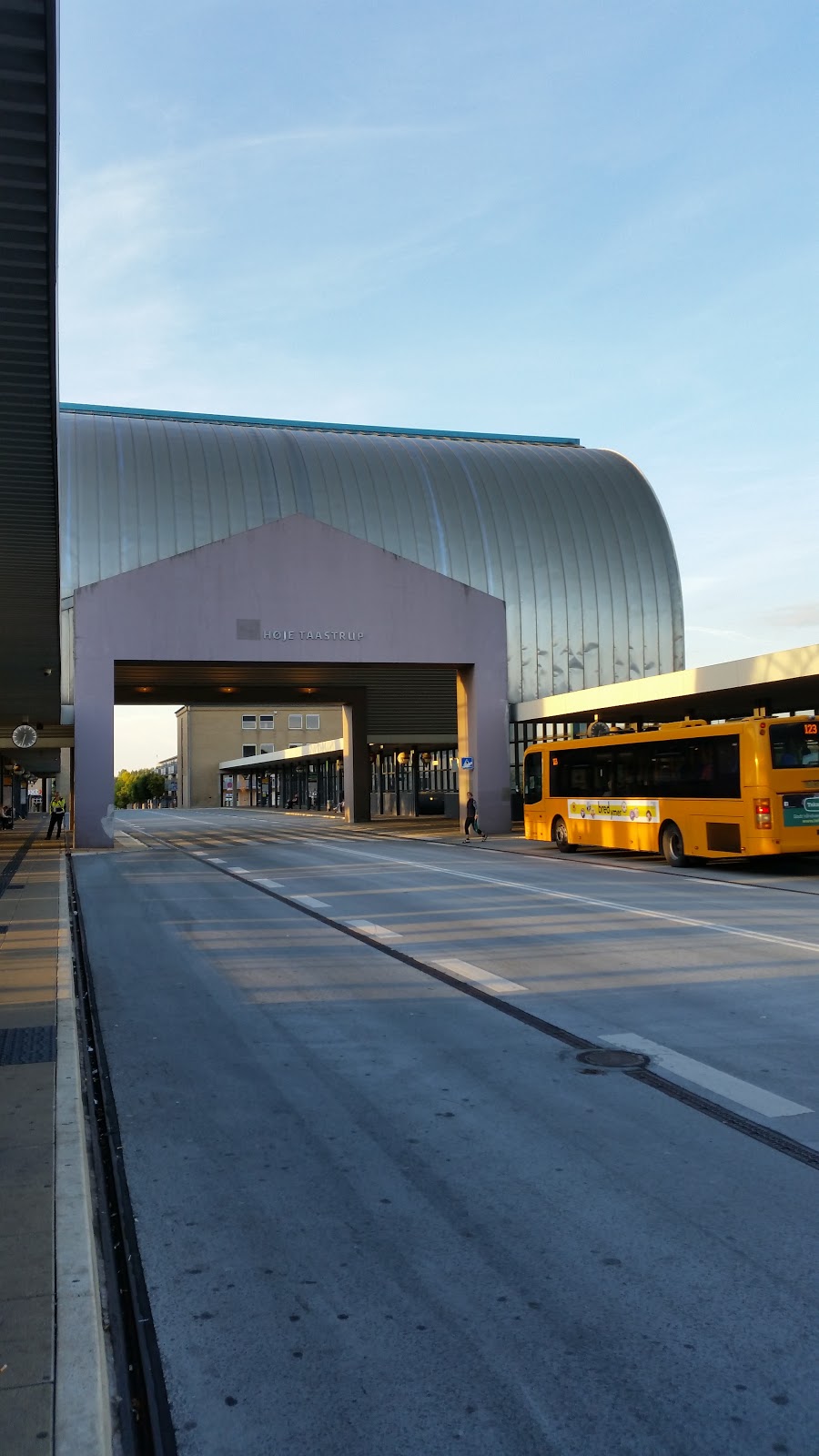
Tasstrup Station. Denmark
                                         
Leaving Station


Tasstrup Aquare 
Monument


The main square


A streep

The main street in Trastup

The street of the hotel

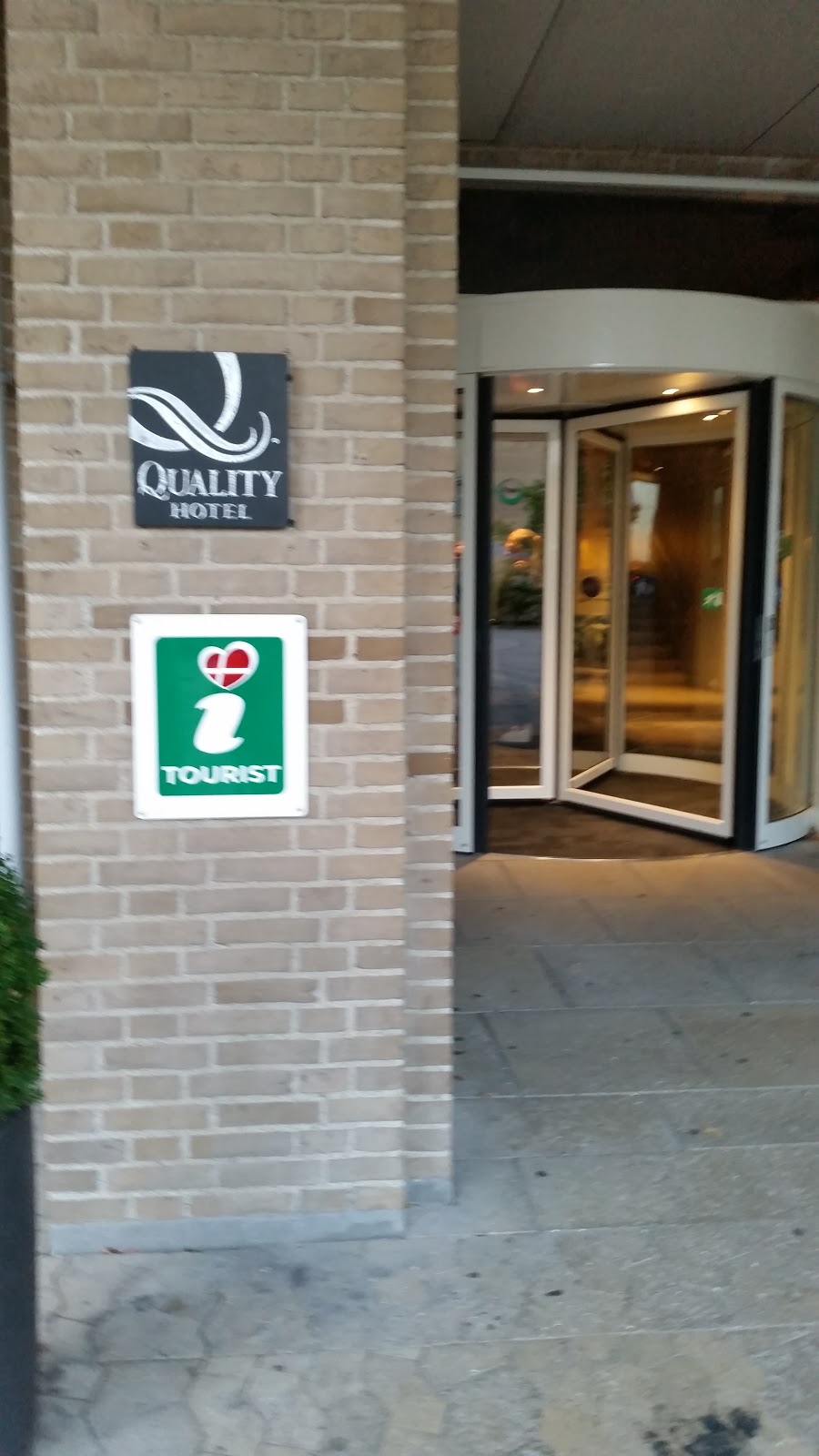
Quality Trastaap Hotel 

Hotel

Añadir leyenda

A "green" hotel 

Here is my room

My share room
Working in the hotel: Key Actions in ERASMUS +

Erasmus plus programme guide. English
Porgrama guía. Español. y convocatoria 2016

Three Key actions:
What are the key actions

Key Action 1: Mobility of Individuals
This is all about providing opportunities for individuals to improve their skills, enhance their employability and gain cultural awareness. Under Key Action 1 organisations can apply for funding to run mobility projects to offer structured study, work experience, job shadowing, training and teaching opportunities to staff and learners.
Key Action 1 covers the five fields of higher education, vocational education and training, schools, adult education and youth.

Funding opportunities under Key Action 2: Cooperation for Innovation and Exchange of Good Practices

Key Action 2 is divided into two main types of activity: decentralised activities and centralised activities. Decentralised activities for the UK (or another country) are run by the UK National Agency while centralised activities are run by the European Commission’s Executive Agency based in Brussels.

 Decentralised activities:

Centralised activities:

Please go to the European Commission Executive Agency’s website for more information on centralised activities under Key Action 2.
Key action 2: Cooperation for Innovation and Exchange of Good Practices
This Action is all about enabling organisations to work together in order to improve their provision for learners and share innovative practices.
Under Key Action 2 organisations can apply for funding to work in partnership with organisations from other participating countries.
The projects funded under this Key Action will focus on sharing, developing and transferring innovative practices in education, training and youth provision between participating countries.
Key Action 2 covers the five fields of higher education, vocational education and training (VET), schools, adult education and youth. It is important to note that target groups and activities for Key Action 2 vary by field.
Key Action 2 aims to increase the positive impact of European activities at all levels to ensure benefits for the individuals, organisations and countries involved in projects.
Key action 3:  Support for Policy Reform.
Under Key Action 3, the Erasmus+ programme will fund strategic activities supporting policy reform across the EU in education, training and youth.
Key Action 3 covers the fields of higher education, vocational education and training, schools, adult education and youth.
It is important to note that the opportunities available vary by field, and in fact the majority of opportunities under this Key Action will be outside of the annual Call for Proposals. They will either be directly implemented by the European Commission or will be the subject of specific Calls for Proposals published throughout the programme duration.
Key Action 3 aims to help Europe achieve the goals set out in European Union strategies such as Europe 2020, Education and Training 2020 and the European Youth Strategy.


Erasmus + Actions. Summarizing 

Key Actions in Erasmus +

Key Action 1 

Key Actions 


  Visiting Copenhague